
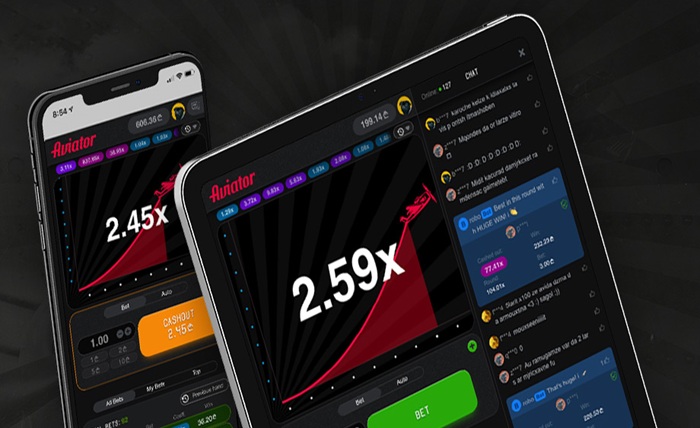
Aviator sits in the crash‑game category, which means the idea is simple enough to understand in one minute and fast enough to pull attention the moment the round begins. A virtual plane climbs. A multiplier climbs with it. The round can end at any time, and the only real decision is when to cash out. That simplicity is exactly why the game shows up on entertainment sites. It feels easy to try, even for people who do not follow casino products closely. The problem is that “easy to start” can also mean “easy to rush.” A better first session happens when the mechanics are clear, the steps are understood, and a few limits are set before money gets involved. That is the practical value of a how‑to page rather than a hype-filled overview.
Start with the mechanics, not the adrenaline
Most mistakes happen because the first round is treated like a test of instinct instead of a basic product flow. That is why, for newcomers searching how to bet on aviator, the smartest first move is to treat the game like a simple interface with one timing button rather than a puzzle that needs decoding. A bet is placed before the round begins. The multiplier rises after the plane takes off. Cashing out earlier locks in a smaller return. Waiting longer can bring a larger return, but the round can end without warning. That is the whole loop. Everything else sits around that loop, including how the balance is displayed, where the cash‑out button sits, and how quickly the next round begins. Once that loop is understood, the rest becomes more manageable, and the session stops feeling like a blur of taps.
A simple mobile flow from tap to cash out
Aviator feels less intimidating when the process is treated as a checklist instead of a rush. The page at aviator-download-in.in breaks the experience down into plain steps, and that structure is useful because it matches how people actually learn mobile products. One clean way to think about it looks like this.
- Open the game and watch one round first. Seeing the takeoff, multiplier rise, and crash once makes the interface easier to read when money is on the line.
- Set a stake that will not change the mood of the session. If the amount feels heavy, decisions get rushed, and timing becomes reactive.
- Decide how cash out will happen. Manual cash out keeps full control. Auto cash out can reduce impulse when the pace feels too fast.
- Place the bet before the round starts. In most versions, the entry window is short, so the bet needs to be in before the plane begins moving.
- Cash out based on the plan, not the crowd. Some interfaces show other players’ outcomes, but following that feed usually leads to late, emotional taps.
Auto cash out and two bets change the feel of a session
Small features can shape behavior more than people expect. Auto cash out is one example. It does not turn chance into certainty, but it can make the session calmer because the exit point is chosen before the pace builds. Another feature that shows up on some platforms is the option to place two bets in the same round. That can look like a way to chase more action, but it is better understood as a way to separate goals. One bet can be treated as a shorter, more conservative exit. The other can be treated as a longer wait with a higher risk. The problem is that two bets can also double the emotional load if the amounts are not kept under control. For a first session, the cleaner path is usually one bet at a time, with the focus on learning the timing and the interface.
Stats and history are useful, but overreading them is a trap
Many Aviator interfaces show round history, previous multipliers, or other surface-level stats. Those details can help a beginner feel oriented, but they can also create a false sense of predictability. A crash game is built around uncertainty, and the outcome of the next round is not guaranteed by what happened in the last ten. This is where a lot of “strategy talk” goes wrong. It turns basic observation into confidence that does not belong there. A more grounded approach uses history as a way to stay aware of the pace, not as a way to guess the next crash point. The page on aviator-download-in.in also frames the game as one where timing, attention, and control matter more than secret tricks, which is a healthier way to describe a product that depends on chance.
Make the session feel controlled before it feels exciting
Aviator is entertainment. It becomes a problem when it is treated like a plan for profit or a test of bravery. The simplest way to keep the experience in the entertainment lane is to set boundaries that are easy to follow. A short session is easier to leave. A fixed budget is easier to respect. A stake size that feels light is easier to handle without emotional swings. This approach also makes the game more enjoyable, because decisions stop feeling desperate. The interface becomes clearer. Timing becomes less frantic. The session becomes something that can be ended on purpose, instead of something that ends only after frustration takes over. That is the real benefit of reading a how‑to guide. It does not promise a win. It helps the product feel understandable and more controlled from the first round.