
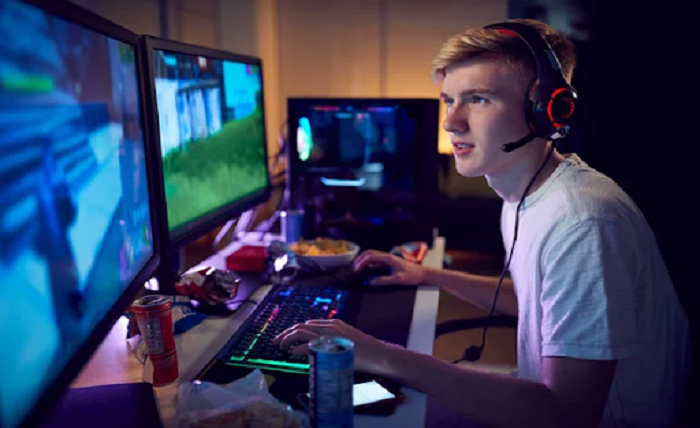
Online gaming has become a familiar part of everyday digital life. For many people, it now sits alongside messaging, streaming, social media, online shopping, and other routine activities. Players may open a game for a few minutes during a break, join friends in the evening, or return regularly to complete challenges and check progress.
This does not mean that gaming dominates every digital routine. Instead, it often fits naturally into existing habits. The way people use devices, communicate online, and divide their free time has made gaming easier to include in ordinary daily schedules.
Gaming Fits Into Short Periods of Free Time
One reason online gaming has become part of everyday habits is convenience.
Many games are designed to work well in short sessions. A player may complete a quick match, check an event, collect a reward, or make progress toward a small objective without needing a long uninterrupted period.
Someone might play while waiting for transport, during a lunch break, or after finishing work. These small sessions can feel similar to checking social media or watching a short video.
The flexibility of online gaming helps explain why it appears so regularly in modern screen-time habits.
Mobile Devices Make Gaming Constantly Accessible
Smartphones have played a major role in bringing ทดลองเล่นสล็อต gaming into everyday life.
A mobile device is already used for communication, banking, entertainment, navigation, and work-related tasks. Gaming simply becomes another option available on the same screen.
Players do not necessarily need a dedicated gaming setup. They can move between different activities quickly.
For example, someone might answer messages, check the news, play a short game, and then return to another app within a few minutes.
This ability to switch between tasks has made gaming part of a broader pattern of mobile digital behavior.
Social Interaction Encourages Regular Play
Online gaming is also integrated into daily habits because it can be social.
Players may join friends, communicate with teammates, participate in group challenges, or simply spend time together in a shared digital space.
For some people, logging into a game can feel similar to joining a group chat.
The social side can give players another reason to return regularly. They may not be opening the game only for the gameplay itself, but also to see who is online or to continue an activity with familiar teammates.
Notifications and Updates Influence When People Return
Many online games use notifications, event schedules, and regular updates to keep players informed.
A player might receive information about:
- A new challenge
- An upcoming event
- Updated content
- A completed task
- A reward becoming available
- Friends becoming active
Progress Systems Encourage Routine Participation
Progress is another reason gaming can become habitual. Many games allow players to build something over time. This might involve improving a character, reaching a new level, completing a collection, earning achievements, or moving through a ranking system.
Long-term progress gives individual sessions a sense of continuity.
A player who stops today can return tomorrow and continue from the same point. This makes gaming feel less like a one-time activity and more like an ongoing digital experience.
Regular progress can encourage people to include FAFA828 gaming in their usual schedule, especially when goals are clearly defined.
Gaming Often Overlaps With Other Forms of Entertainment
Modern online gaming is closely connected with other digital entertainment.
Players may watch gaming videos, follow livestreams, read guides, discuss updates in online communities, or share clips with friends.
This means time spent around gaming does not always happen inside the game itself.
A person might watch a strategy video before playing, discuss a new update in a group chat, then join the game later.
Gaming therefore becomes part of a wider entertainment ecosystem that includes video, social media, discussion forums, and creator content.
Personalization Makes Gaming Feel More Familiar
Personalized experiences also help games become part of daily routines.
Players may customize characters, control settings, notifications, difficulty levels, or interface preferences.
These options can make a game feel more comfortable and familiar over time.
The more a digital environment reflects a player’s preferences, the easier it can become to return regularly.
This is similar to personalized feeds on social media or tailored recommendations on streaming platforms.
Cross-Device Access Adds More Flexibility
Some online games can be accessed across different devices.
A player may use a mobile device during the day and switch to a computer or console later.
This flexibility allows gaming to fit different situations without requiring players to follow one fixed setup.
It also reflects a wider digital trend in which people expect services to move with them across devices.
Convenience becomes a major part of the overall experience.
Building Balanced Digital Habits
Because gaming can become part of an everyday routine so easily, balance remains useful.
Players can benefit from being aware of how much time they spend gaming compared with other activities.
Taking breaks, setting natural stopping points, and keeping space for exercise, work, study, sleep, and offline social interaction can help maintain a healthy routine.
Gaming works best when it fits into everyday life rather than replacing everything around it.
Conclusion
Online gaming has become integrated into everyday digital habits because it is accessible, social, flexible, and closely connected with other forms of online entertainment.
Mobile devices, notifications, progress systems, personalization, and cross-device access all make it easier for games to become part of regular routines.
As digital life continues to evolve, gaming is likely to remain one of many activities people move between throughout the day. Its growing role shows how entertainment, communication, and technology are increasingly becoming part of the same connected experience.